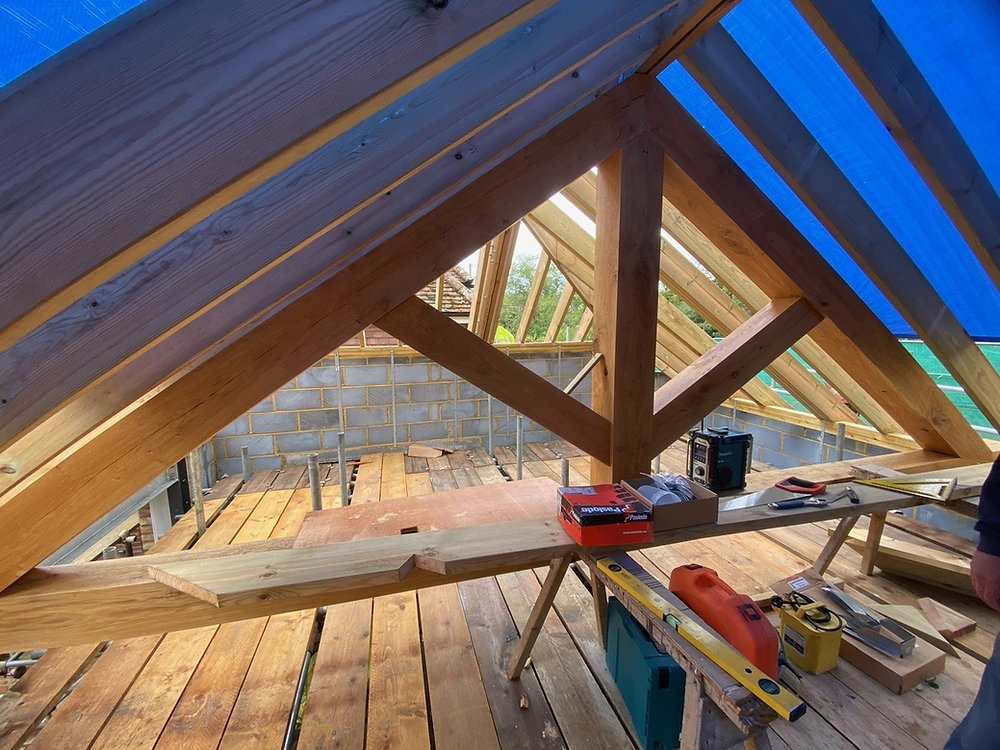
Artisan Millworks creates custom, architecturally designed millwork that transforms ideas into distinctive spaces, combining expert craftsmanship, precision, and a commitment to exceptional service.
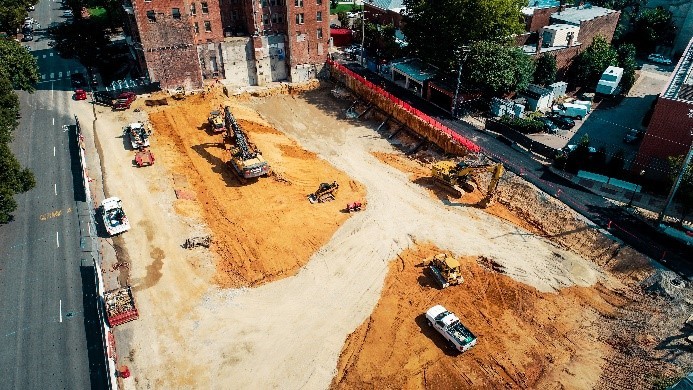
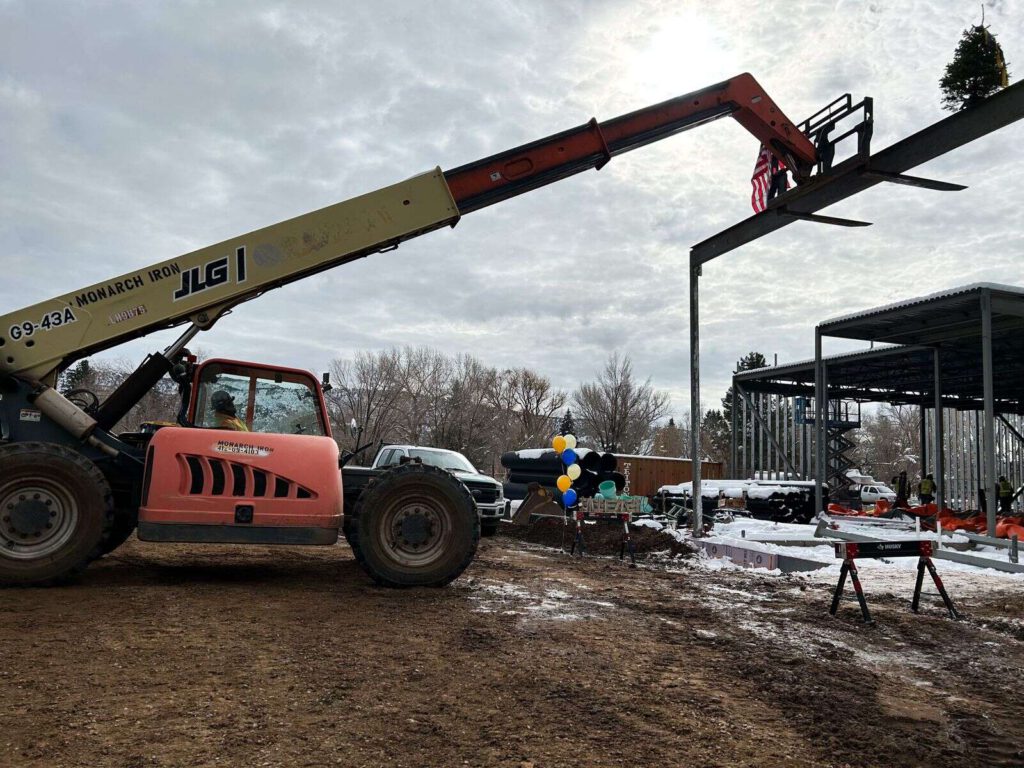
Commercial construction in Georgia is experiencing dynamic growth, shaped by rapid population increases, strategic geographic advantages, and strong economic development. From bustling metropolitan centers like Atlanta to emerging secondary markets such as Savannah, Macon, and Columbus, the state has become a vibrant hub for office, industrial, retail, institutional, and mixed-use development.
A Thriving and Diverse Market
Georgia’s commercial construction sector is marked by diversity — not only in project type, but in the geographic spread of development activity:
Atlanta anchors the state’s construction landscape with large-scale office developments, corporate campuses, mixed-use districts, and significant transportation infrastructure projects. Its appeal lies in a strong labor market, major corporate relocations, and an expanding tech ecosystem.
Savannah continues to grow due to its deep-water port, attracting logistics, industrial expansion, and distribution centers that support global trade.
Secondary cities like Macon, Athens, Augusta, and Columbus are drawing attention with adaptive reuse projects, healthcare expansions, university-related development, and revitalized downtown districts.
This variety makes Georgia’s commercial construction environment resilient and appealing to both investors and contractors.
Drivers of Growth
Several key factors fuel commercial construction momentum in Georgia:
1. Population and Economic Expansion
Georgia is one of the fastest-growing states in the U.S., attracting talent and families with its relatively affordable cost of living, diverse job markets, and high quality of life. As the population grows, so does the demand for:
Office and coworking space
Retail and hospitality venues
Healthcare facilities
Education and institutional buildings
Logistics and industrial facilities
This population-linked demand creates a pipeline of commercial projects across multiple sectors.
2. Strong Transportation and Logistics Position
Georgia’s infrastructure advantages — most notably the Port of Savannah and an extensive network of highways and rail links — make the state a national logistics hub. Developers are responding with new industrial parks, distribution centers, and last-mile facilities that support e-commerce and global supply chains.
3. Corporate Relocations and Expansion
Over the past decade, Georgia has attracted major corporate relocation and expansion projects, often choosing locations like Atlanta, Alpharetta, and the broader metro area for regional headquarters due to business-friendly policies and access to talent. These corporate movements continue to drive demand for specialized office space, tech-oriented facilities, and amenity-rich commercial environments.
Trends Shaping Commercial Construction in Georgia
Staying competitive in Georgia’s commercial construction market means paying attention to broader industry and regional trends:
Sustainability and Resilience
Increasingly, clients and developers prioritize environmental sustainability, resilience, and energy efficiency. Green building certifications like LEED and WELL are sought after for new commercial developments, especially in urban cores. Sustainable design practices not only align with environmental goals, but often attract tenants who value health, efficiency, and long-term operating savings.
Adaptive Reuse and Urban Revitalization
As city centers evolve, adaptive reuse — transforming old warehouses, factories, or historic buildings into vibrant commercial spaces — has become more prominent. These projects require specialized expertise but contribute to urban revitalization and cultural preservation.
Technology Integration
Commercial construction projects in Georgia increasingly incorporate advanced technologies:
Building Information Modeling (BIM) for enhanced planning and coordination
Prefabrication and modular construction for safer and faster onsite assembly
Smart building systems that improve energy performance and occupant experience
Technology is no longer a luxury — it’s a differentiator in delivering high-quality, efficient projects.
Workplace Evolution
Post-pandemic changes in how organizations use office space have influenced commercial construction planning. Flexible workspace, improved indoor environments, and amenity-rich settings that support collaboration and recruitment are now standard considerations.
Infrastructure and Public Sector Development
Georgia’s infrastructure agenda — from transportation improvements to public safety and education facilities — also contributes heavily to commercial construction output. These projects reinforce economic growth and improve community functionality.
Challenges Facing the Industry
georgia architectural design
While the outlook for commercial construction in Georgia is generally positive, it is not without challenges:
Workforce Availability
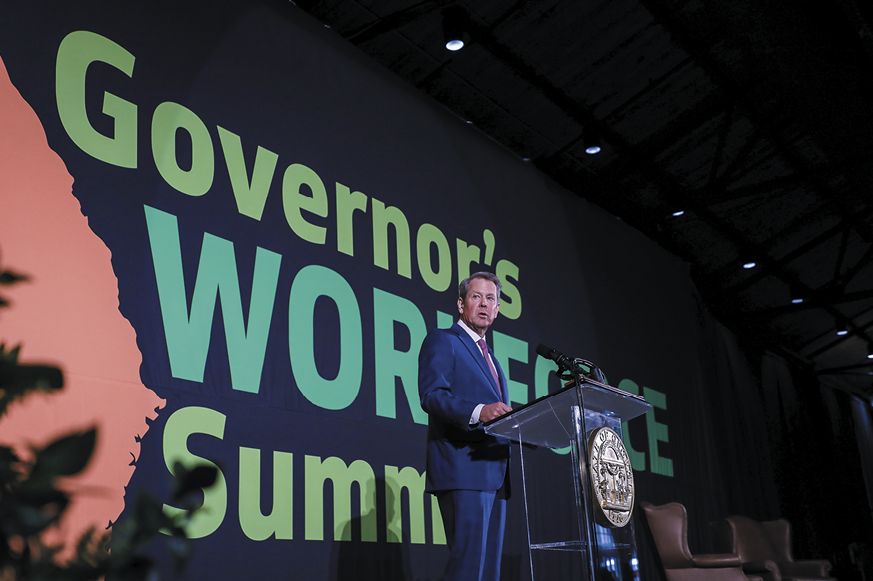
Like many states, Georgia faces labor challenges in construction trades. Skilled labor shortages can affect schedules and require investment in workforce development, training programs, and competitive recruitment.
Regulatory Environment
Navigating local codes, permitting timelines, and municipal requirements differs from city to city. Project teams must account for varying standards and engagement with local authorities to streamline approvals and maintain project momentum.
Supply Chain Dynamics
Commercial construction depends on stable access to building materials and mechanical systems. Though supply chain conditions have improved since the pandemic, volatility in material availability and delivery timelines remains a consideration for project planning.
Looking Ahead
Georgia’s commercial construction scene is positioned for continued expansion. Strategic location, demographic growth, and diversified economic activity make the state an attractive choice for developers and businesses alike.
As development continues, we can expect:
More mixed-use districts that blend commercial, residential, and recreational uses
Growth in technology-oriented office space
Continued industrial and logistics projects supporting global and national supply chains
Increasing investment in sustainable and resilient buildings
Final Thoughts
Commercial construction in Georgia isn’t just about buildings — it’s about community growth, connectivity, and economic opportunity. Whether you’re a developer evaluating new markets, a contractor preparing for future bids, or simply interested in how Georgia’s built environment is evolving, the state’s construction landscape offers compelling momentum and long-term potential.